Welcome to Voices of the Wild
Stories, behaviors, and survival of nature’s most remarkable species.
Welcome to Voices of the Wild — a living collection of stories, discoveries, and intimate encounters from the natural world. Through photography, research, and storytelling, this page explores the remarkable species that share our planet, revealing their beauty, behavior, struggles, and importance within the ecosystems they call home.

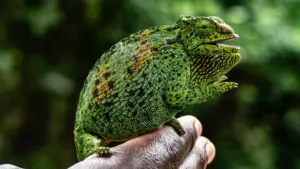
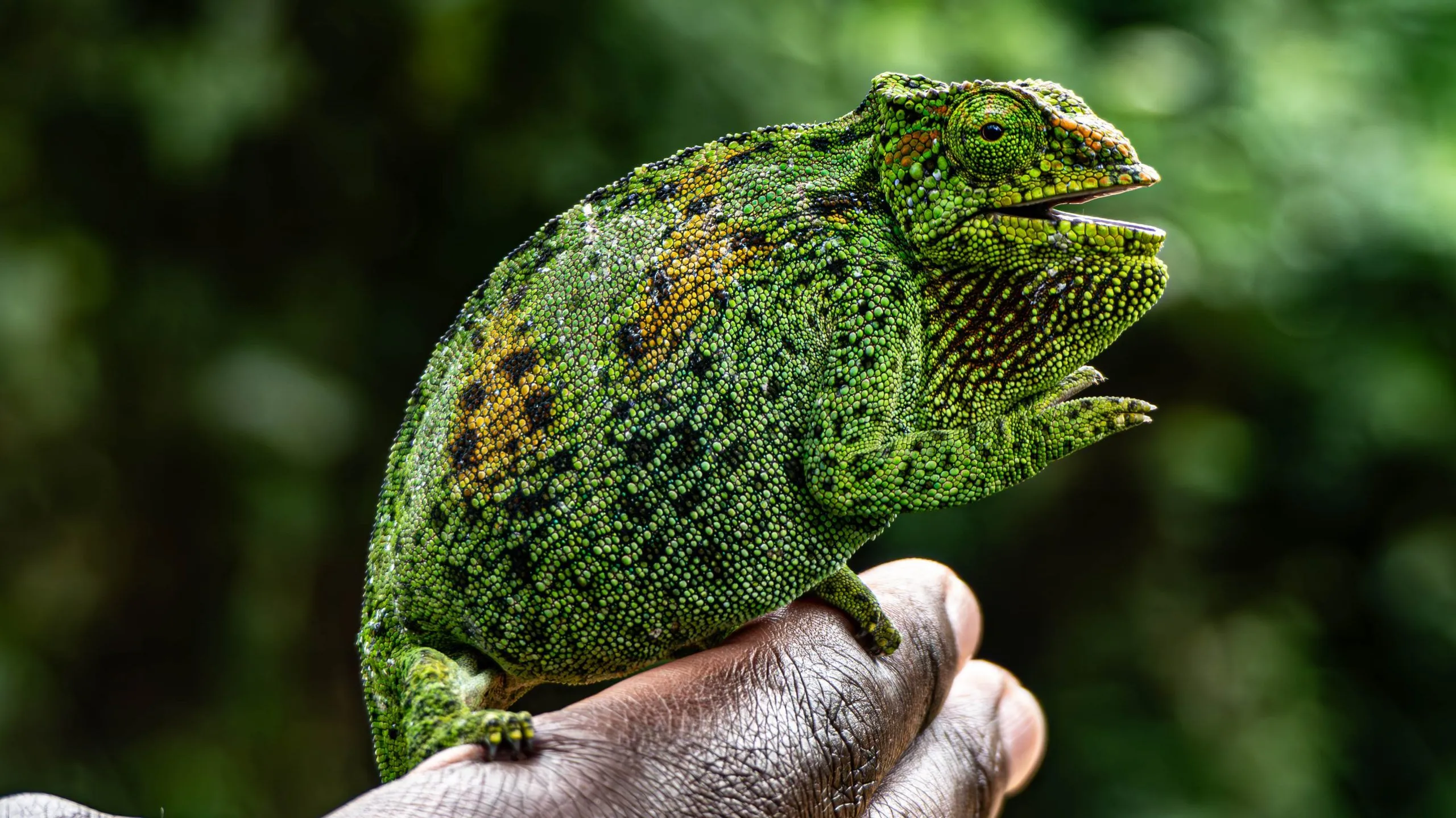
Rwenzori Three-horned Chameleon
The Story of the “Mountains of the Moon” Resident
In local folklore across the Rwenzori region, chameleons are often viewed with a mix of reverence and caution. Because of their slow, deliberate movement—resembling a rhythmic dance—they are sometimes seen as “patient observers” of the forest. Finding one on the lower slopes of the Rwenzori is a testament to the rich biodiversity of Kasese, where the transition from Savannah to mountain forest creates a unique ecological niche.
Forest Cobra (Naja melanoleuca)
The Story of the Forest Sentinel
In many Central and East African cultures, the Forest Cobra is respected as a symbol of power and hidden danger. Unlike the Savannah Cobra, which is often seen in the open, the Forest Cobra is a master of the shadows. In the Kasese region, these snakes are known to be excellent swimmers and climbers, often found near forest streams or draped over high branches like the one in your image, surveying the territory with a piercing, high-gloss gaze.


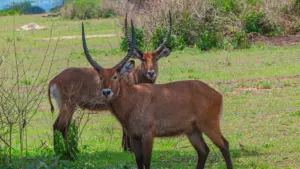
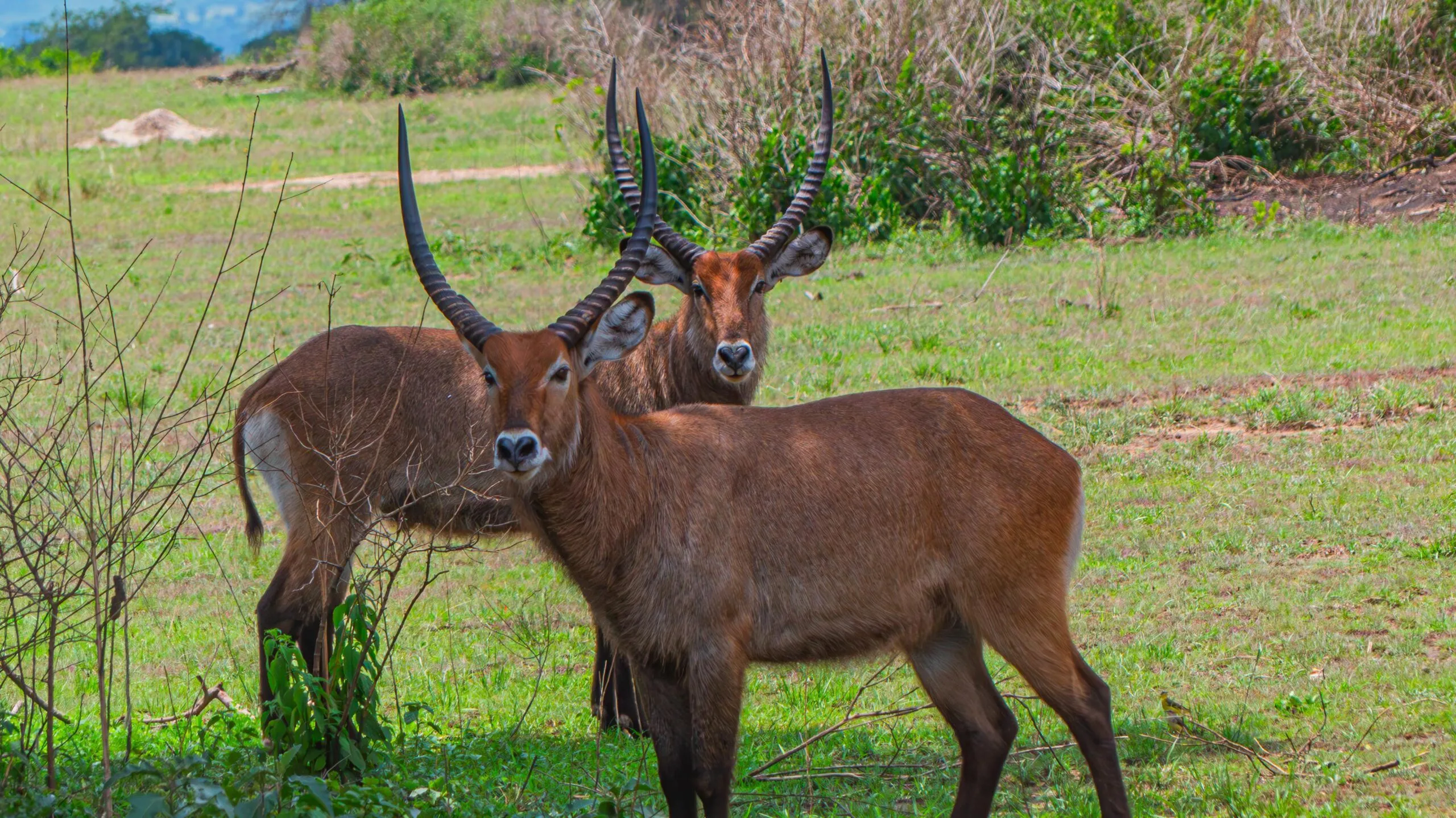
Uganda Kob (Kobus kob thomasi)
The Story of the Savanna’s Golden Resident
The Uganda Kob is synonymous with the vast plains of East Africa. Unlike many other antelopes that are constantly on the move, the Kob is famous for its “lekking” behavior. In areas like the Kasenyi plains near the Rwenzori foothills, males establish permanent breeding grounds (leks) where they display their strength and stamina to attract females. This specific male, with its powerful lyre-shaped horns, is a guardian of his patch of golden grass.
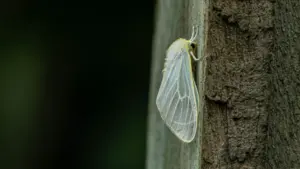
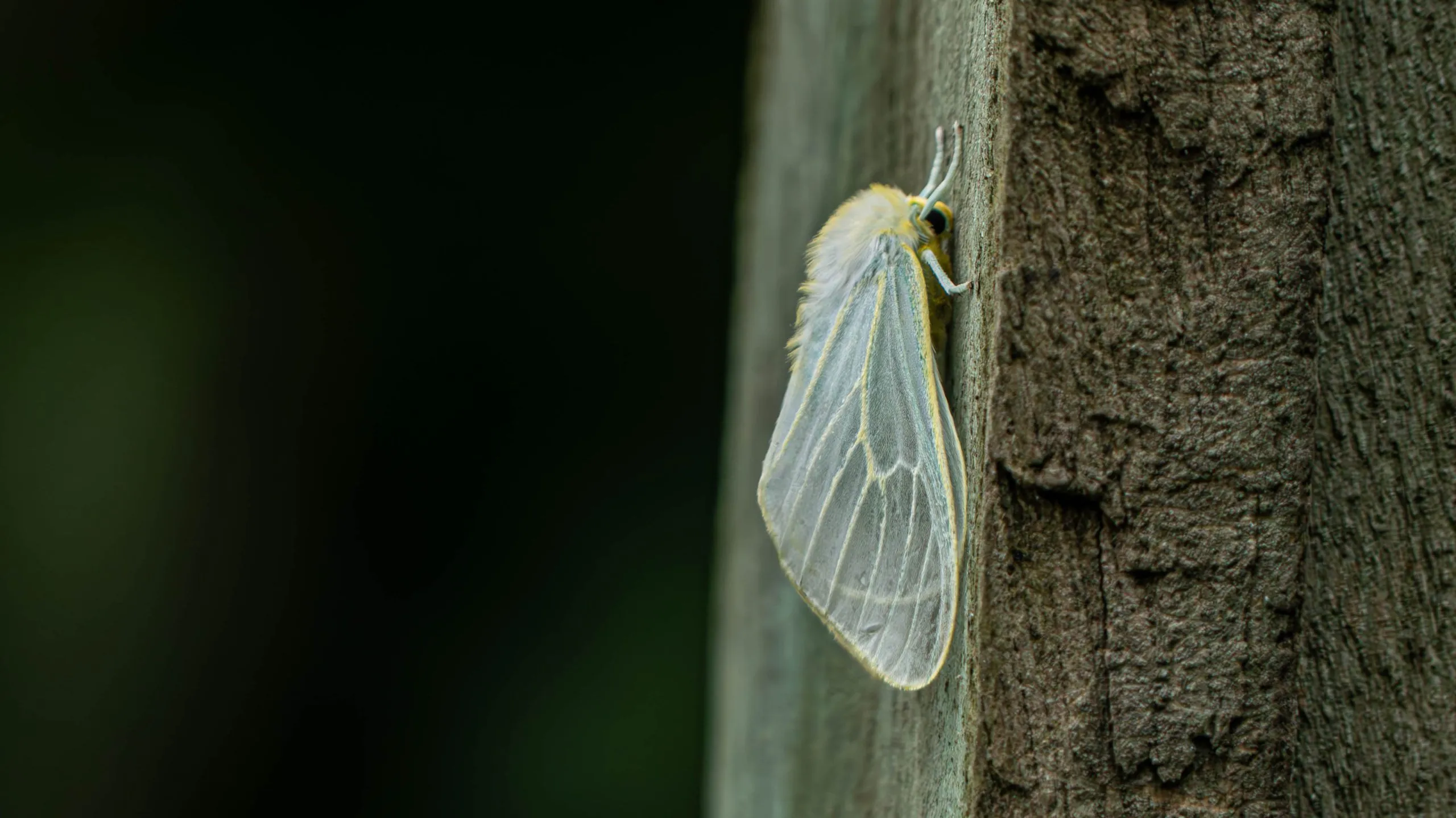
Moth (Geometridae)
The Story of the Moonlit Traveler
In the high-altitude forests near Kasese, moths play a role just as vital as butterflies, though they often go unnoticed. While butterflies claim the day, these “white stone” moths are the silent pollinators of the night. In many local traditions, white moths are seen as symbols of purity or messenger spirits because of their tendency to appear suddenly out of the dark, drawn to the smallest glimmer of light.

Let’s Preserve and Protect Together
Whether you are a wildlife enthusiast, traveler, researcher, conservationist, or simply curious about the wild, Voices of the Wild invites you to see nature beyond the lens and hear the silent voices of the species that shape our world.